Language Spare Parts Google Views

Impact crushers have become an essential part of modern crushing equipment, offering efficient and effective solutions for reducing the size of various materials. One vital component of an impact crusher is the blow bar, which plays a crucial role in the crushing process. In this article, we will delve into the significance of blow bars and shed light on their functioning, types, benefits, and maintenance practices.
Blow bars are metal bars attached to the rotor of an impact crusher. Their main purpose is to deliver a powerful impact force onto the material being crushed and break it down into smaller pieces. These bars are typically made from wear-resistant alloys, such as manganese steel or white iron, to withstand the abrasive forces encountered during the crushing operation.
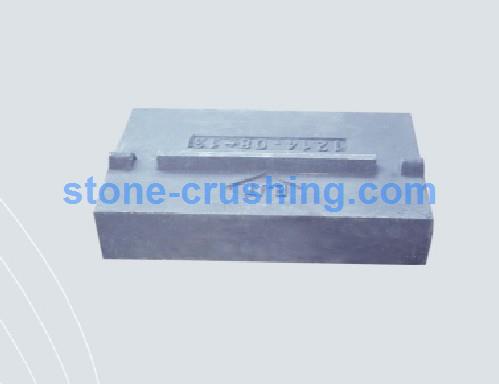
1. Standard Blow Bars: Designed for a wide range of applications, standard blow bars strike a balance between wear resistance and cost-effectiveness. They provide reliable performance without compromising the overall functionality of the impact crusher.
2. Martensitic Blow Bars: Comprising a martensitic structure, these blow bars offer increased wear resistance, making them suitable for crushing harder and more abrasive materials. They are ideal for high impact applications and can withstand extreme operating conditions.
3. Chrome Blow Bars: Integrated with a ceramic insert, chrome blow bars are designed to enhance wear resistance, reduce abrasion, and increase the overall operational efficiency of the impact crusher. These bars are commonly used in applications where material size reduction is the primary objective.
1. Efficient Crushing: The primary function of blow bars is to deliver a high-impact force, enabling the crusher to effectively break down materials. Their design and composition ensure optimal energy transfer, resulting in efficient crushing and reduced downtime.
2. Enhanced Wear Resistance: Whether it be standard, martensitic, or chrome blow bars, their wear-resistant properties guarantee extended operational lifespan, reducing the frequency of replacements and maintenance costs.
3. Versatility: Different types of blow bars provide the flexibility to optimize crushing operations for specific materials and applications. By selecting the appropriate blow bar, operators can ensure maximum productivity and product quality.
To maximize the performance and longevity of blow bars, regular maintenance is crucial. Here are a few maintenance practices to consider:
1. Routine Inspections: Conduct regular visual inspections to check for any signs of wear or damage. Replace worn or damaged blow bars promptly to avoid unwanted downtime.
2. Proper Installation: Ensure proper installation of blow bars and secure them tightly to the rotor to prevent any displacement during operation.
3. Adjustment Monitoring: Monitor the gap between blow bars and the rotor to maintain optimal crushing performance. Regularly adjust the gap as needed to ensure efficient material reduction.
Blow bars are an integral component of impact crushers, providing the necessary impact force to crush materials effectively. By understanding the different types, benefits, and maintenance practices associated with blow bars, operators can optimize their impact crusher's performance, reduce downtime, and achieve higher productivity. As this essential part continues to evolve, manufacturers are continuously developing innovative blow bar designs to meet the ever-evolving demands of the crushing industry.



